Like us on facebook
Follow us on twitter
review us on google

Causes of Peeling Skin Between the Toes

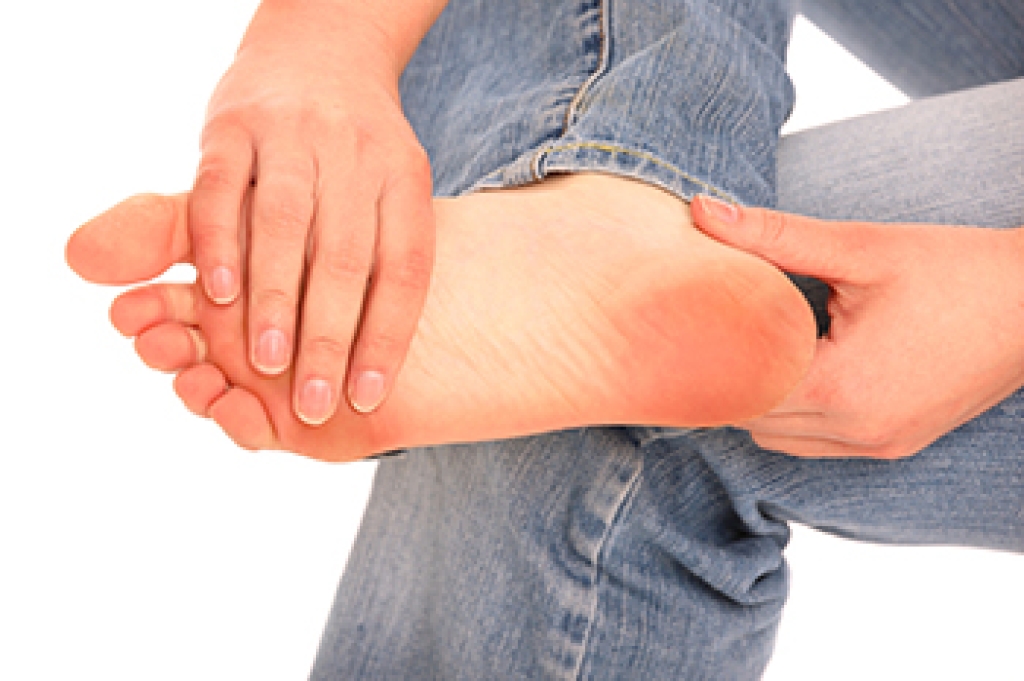
Peeling skin between the toes can happen for many reasons. The symptoms may range from mild flaking to painful cracks. A common cause is a fungal infection often called athlete’s foot. This problem develops in warm, damp places and may lead to itching, burning, scaling, and odor. Skin irritation from materials or chemicals in shoes may trigger a rash, blisters, or tenderness between the toes. Some people develop small itchy blisters that later dry and peel as part of a recurring skin condition. Dry skin, especially in colder weather or after long periods of moisture exposure, can weaken the skin and lead to cracking and flaking. A podiatrist can examine the feet, identify the cause of the peeling skin between the toes, and provide the proper medical treatment. If the skin between your toes is peeling, it is suggested that you make an appointment with a podiatrist for an exam, diagnosis, and treatment.

Everyday foot care is very important to prevent infection and other foot ailments. If you need your feet checked, contact one of our podiatrists from Graff Foot, Ankle and Wound Care. Our doctors can provide the care you need to keep you pain-free and on your feet.

Everyday Foot Care

Often, people take care of their bodies, face and hair more so than they do for their feet. But the feet are a very important aspect of our bodies, and one that we should pay more attention to. Without our feet, we would not be able to perform most daily tasks.

It is best to check your feet regularly to make sure there are no new bruises or cuts that you may not have noticed before. For dry feet, moisturizer can easily be a remedy and can be applied as often as necessary to the affected areas. Wearing shoes that fit well can also help you maintain good foot health, as well as making it easier to walk and do daily activities without the stress or pain of ill-fitting shoes, high heels, or even flip flops. Wearing clean socks with closed shoes is important to ensure that sweat and bacteria do not accumulate within the shoe. Clean socks help to prevent Athlete’s foot, fungi problems, bad odors, and can absorb sweat.

If you have any questions, please feel free to contact our offices located in Plano, Dallas, Prosper, Allen, Garland, Frisco, and Coppell, TX . We offer the newest diagnostic and treatment technologies for all your foot care needs.

Read more about Everyday Foot Care

When an Ingrown Toenail Turns Into Infection

Infected ingrown toenails can turn a small nail problem into a painful swollen toe that makes walking uncomfortable. This condition develops when the edge of the toenail grows into the surrounding skin, causing bacteria to enter the irritated area. Redness, warmth, drainage, and throbbing pain are common warning signs. Wearing tight shoes, improper nail trimming, and naturally curved nails often increase the risk. Early care can prevent deeper infection. Avoid digging into the nail or cutting the corner too deeply, since this can worsen the infection. Supportive roomy shoes reduce pressure on the tender toe. When toe pain, swelling, or drainage continues, it is suggested that you see a podiatrist for a diagnosis and appropriate treatment.

Ingrown toenails may initially present themselves as a minor discomfort, but they may progress into an infection in the skin without proper treatment. For more information about ingrown toenails, contact one of our podiatrists of Graff Foot, Ankle and Wound Care. Our doctors can provide the care you need to keep you pain-free and on your feet.

Ingrown Toenails

Ingrown toenails are caused when the corner or side of a toenail grows into the soft flesh surrounding it. They often result in redness, swelling, pain, and in some cases, infection. This condition typically affects the big toe and may recur if it is not treated properly.

Causes

  • Improper toenail trimming
  • Genetics
  • Improper shoe fitting
  • Injury from pedicures or nail picking
  • Abnormal gait
  • Poor hygiene

You are more likely to develop an ingrown toenail if you are obese, have diabetes, arthritis, or have any fungal infection in your nails. Additionally, people who have foot or toe deformities are at a higher risk of developing an ingrown toenail.

Symptoms

Some symptoms of ingrown toenails are redness, swelling, and pain. In rare cases, there may be a yellowish drainage coming from the nail.

Treatment

Ignoring an ingrown toenail can have serious complications. Infections of the nail border can progress to a deeper soft-tissue infection, which can then turn into a bone infection. You should always speak with your podiatrist if you suspect you have an ingrown toenail, especially if you have diabetes or poor circulation.

If you have any questions, please feel free to contact our offices located in Plano, Dallas, Prosper, Allen, Garland, Frisco, and Coppell, TX . We offer the newest diagnostic and treatment technologies for all your foot care needs.

Read more about Ingrown Toenail Care

When Flat Feet Cause Pain in Children and Teens

Flat feet are typical in children and adolescents, but they do not always cause discomfort. In some young patients, however, the arch collapses more than expected during standing or walking. This excessive inward rolling, known as over-pronation, can place strain on muscles, ligaments, and growing bones. As activity increases, pain may develop in the arch, heel, or ankle. Active children involved in sports may notice fatigue, frequent tripping, or reduced endurance. Tight calf muscles and ligament-related laxity can worsen instability. In certain cases, an underlying structural condition may contribute to stiffness or limited motion. Early evaluation helps determine whether the flat-foot condition is flexible or rigid. Wearing supportive, well-fitting shoes and custom-made orthotics can improve alignment and reduce strain. Stretching exercises may also ease muscle tension. If your child has ongoing foot or ankle pain related to flat feet, it is suggested that you see a podiatrist for a proper diagnosis and effective relief and management techniques.

Flatfoot is a condition many people suffer from. If you have flat feet, contact one of our podiatrists from Graff Foot, Ankle and Wound Care. Our doctors will treat your foot and ankle needs.

What Are Flat Feet?

Flatfoot is a condition in which the arch of the foot is depressed and the sole of the foot is almost completely in contact with the ground. About 20-30% of the population generally has flat feet because their arches never formed during growth.

Conditions & Problems:

Having flat feet makes it difficult to run or walk because of the stress placed on the ankles.

Alignment – The general alignment of your legs can be disrupted, because the ankles move inward which can cause major discomfort.

Knees – If you have complications with your knees, flat feet can be a contributor to arthritis in that area.  

Symptoms

  • Pain around the heel or arch area
  • Trouble standing on the tip toe
  • Swelling around the inside of the ankle
  • Flat look to one or both feet
  • Having your shoes feel uneven when worn

Treatment

If you are experiencing pain and stress on the foot you may weaken the posterior tibial tendon, which runs around the inside of the ankle. 

If you have any questions, please feel free to contact our offices located in Plano, Dallas, Prosper, Allen, Garland, Frisco, and Coppell, TX . We offer the newest diagnostic and treatment technologies for all your foot care needs.
Read more about Flat Feet

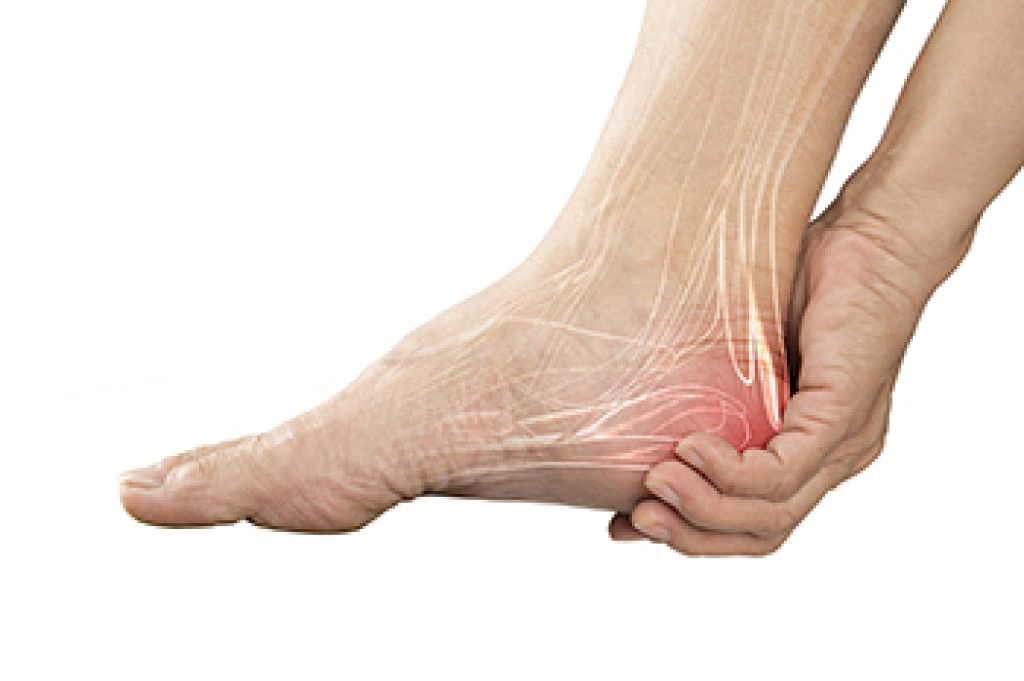
Heel Pain in the Morning?

Heel pain can negatively affect your day-to-day life. Simple activities like walking can become incredibly uncomfortable or painful due to heel pain.

Don’t live with heel pain and get treated.

Protecting Your Diabetic Feet

Diabetes can affect the feet by reducing circulation and damaging nerves, a condition known as peripheral neuropathy. This may cause numbness, tingling, or burning sensations, making it harder to notice cuts, blisters, or pressure points. At the same time, poor blood flow can slow healing, which increases the risk of infection and more serious complications. The feet may appear dry, cracked, or swollen, and even small wounds can become concerning, if not treated early. A podiatrist plays an important role in diabetic foot care by performing regular exams, identifying problem areas, and providing routine nail and skin care. Treatment includes careful removal of thickened skin, wound care, custom orthotics, and guidance on proper footwear to reduce pressure. Education on daily foot inspection and hygiene is also essential to prevent complications. If you have diabetes and notice any changes in your feet, it is suggested that you are under the care of a podiatrist who can help you to manage this serious condition.   

Diabetic foot care is important in preventing foot ailments such as ulcers. If you are suffering from diabetes or have any other concerns about your feet, contact one of our podiatrists from Graff Foot, Ankle and Wound Care. Our doctors can provide the care you need to keep you pain-free and on your feet.

Diabetic Foot Care

Diabetes affects millions of people every year. The condition can damage blood vessels in many parts of the body, especially the feet. Because of this, taking care of your feet is essential if you have diabetes, and having a podiatrist help monitor your foot health is highly recommended.

The Importance of Caring for Your Feet

  • Routinely inspect your feet for bruises or sores.
  • Wear socks that fit your feet comfortably.
  • Wear comfortable shoes that provide adequate support.

Patients with diabetes should have their doctor monitor their blood levels, as blood sugar levels play such a huge role in diabetic care. Monitoring these levels on a regular basis is highly advised.

It is always best to inform your healthcare professional of any concerns you may have regarding your feet, especially for diabetic patients. Early treatment and routine foot examinations are keys to maintaining proper health, especially because severe complications can arise if proper treatment is not applied.

If you have any questions, please feel free to contact our offices located in Plano, Dallas, Prosper, Allen, Garland, Frisco, and Coppell, TX . We offer the newest diagnostic and treatment technologies for all your foot care needs.

Read more about Diabetic Foot Conditions
Advanced Podiatric Procedures & Services in the Collin County, TX: Plano, McKinney, Allen, Frisco, Prosper, Celina, Wylie, Lucas, Fairview, Princeton, Anna, Melissa, Dallas County, TX: Dallas, Garland, Coppell, Richardson, Addison, Farmers Branch, Carrollton, University Park, Highland Park, Denton County, TX: Little Elm, The Colony, Lewisville, Corinth, Flower Mound, Rockwall County, TX: Rockwall, Heath, Fate areas