Like us on facebook
Follow us on twitter
review us on google

hammertoes treatment in the Plano, TX 75093, Dallas, TX 75205, McKinney, TX 75071, Allen, TX 75013, Irving, TX 75039, Garland, TX 75044, Frisco, TX 75033, Coppell, TX 75019 areas

Hammertoes Treatment in Plano, Dallas, McKinney, Allen, Garland, Frisco & Coppell, TX

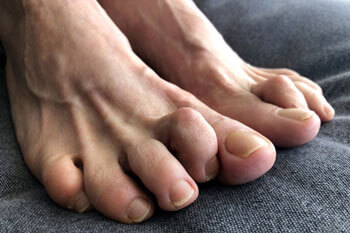
Hammertoes or claw toes is a foot condition where the middle joint of one or more toes is bent due to weak muscles. With weak muscles, toe tendons become short and eventually result in the curling of the toes to resemble hammers or claws. According to research, hammertoe is hereditary. However, in some cases, people develop the condition from wearing tight shoes over long periods of time.

Women are more prone to this toe deformity from wearing tight shoes for aesthetic purposes.
Once you notice this condition, it’s time to see your podiatrist. Hammertoe can cause extreme pain if not treated. If you have diabetes, you should seek treatment because hammertoes often lead to wounds.

Hammertoes/claw toes care

Some of the best treatments for hammertoe and claw toes include:
Wearing custom fitted shoes or diabetic shoes: To relieve pain, always wear shoes that fit properly. We recommend deeper and wider shoes with soft padding.
Anti-inflammatories: You can also take anti-inflammatory medications to reduce the pain caused by hammertoe.
Surgery: Claw toe surgery is often the best way to relieve painful hammertoe. This outpatient procedure at Graff Foot and Ankle Surgery Center can be done while you are asleep or awake under local anesthesia. You can walk the same day in tennis shoes, as recovery time from claw toe surgery is minimal.

Do you have hammertoes or claw toes? Schedule an appointment with Graff Foot Ankle and Wound Care for treatment. Call (972) 403-7733 or use our convenient Request an Appointment form to schedule your visit.

Hammertoes (FAQs)

What is hammertoe?
A hammertoe is a type of deformity in which the second, third, fourth, or pinky toes are bent downwards at the middle joint. This gives the toe a hammer-like shape, hence the name. In its early stages, a hammertoe may be flexible and can be straightened. Over time, the affected toe can lose its flexibility and become permanently fixed in a bent position.
What are the symptoms of hammertoe?
Other than its characteristic hammer-like shape, symptoms of a hammertoe may include pain, inflammation, redness, a burning sensation, joint stiffness, and corns and calluses on the affected toes. In severe cases, open sores can form on the toes as they rub up against your shoes. Symptoms may be mild at first but can get worse over time.
What causes hammertoe?
Hammertoe is typically caused by a muscle and tendon imbalance, which leads to the toe bending. This problem can be made worse by wearing shoes that are too tight and narrow, particularly in the toe area. In some cases, injury or trauma to the toes can lead to hammertoe. This condition can also be genetic.
Can hammertoe go away on its own?
Hammertoe can not go away without treatment. It typically gets worse over time, although the rate at which it worsens varies from person to person. Seeking treatment is important to stop or slow the progression, relieve symptoms, and - if needed - to straighten the affected toes.
What are the treatments for hammertoe?
In mild and moderate cases, especially if the affected toes are still flexible, conservative treatments are suggested. These can include footwear and activity modifications, wearing orthotics, and taking medications to relieve pain and inflammation. In more severe cases, where the affected toes have become very painful, rigid, or has open sores, surgery may be recommended.
scroll to top