Like us on facebook
Follow us on twitter
review us on google

Sever’s Disease in Active Children

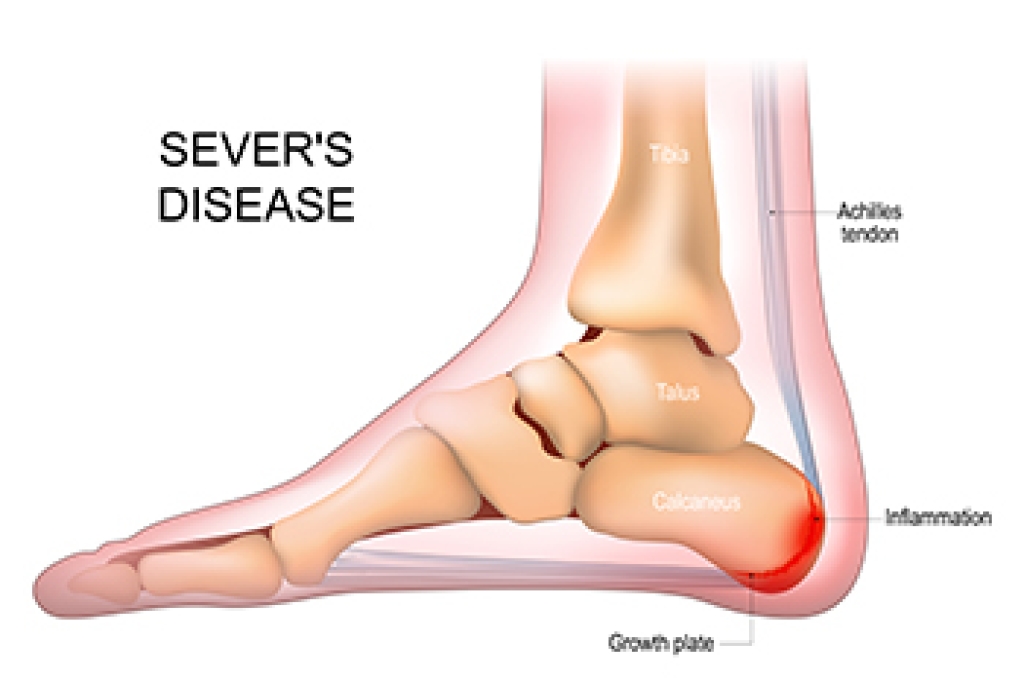
Sever’s disease is a heel condition that can affect children while their bones are still growing. It develops when repeated stress irritates the growth plate at the heel. The Achilles tendon attaches in this area and can place increased pulling force on the developing heel during activity. Symptoms include heel pain, tenderness, and discomfort after running or jumping. A child may also limp or avoid activities that put pressure on the heel.

This condition most affects active children during growth spurts, between 8 and 14 years old. Boys and girls can develop Sever’s disease. Children who participate in sports involving running and jumping may have greater risk because their heels experience impact. Tight calf muscles, increased sports participation, and limited recovery between activities can also contribute. Symptoms may become more noticeable when training intensity increases.


A podiatrist evaluates the child’s symptoms, activity level, and walking pattern. The provider may examine ankle flexibility and calf tightness to understand how stress is affecting the heel. Imaging is sometimes used when symptoms are unusual or another injury needs to be excluded. Treatment is usually conservative and focuses on reducing stress. Care may include activity modification, wearing supportive footwear and heel lifts. Follow-up visits help monitor improvement and adjust treatment.


Relief at home can begin by reducing activities that trigger pain and allowing recovery between active days. Supportive shoes can reduce strain, while gentle stretching may help improve calf flexibility when recommended. Children should not be encouraged to continuplayig sports through heel pain. Most children improve as the growth plate matures, but persistent symptoms require evaluation. If your active child has symptoms of Sever’s disease, it is suggested that you consult a podiatrist for effective relief and management solutions. 

Sever's disease often occurs in children and teens. If your child is experiencing foot or ankle pain, see one of our podiatrists from Graff Foot, Ankle and Wound Care. Our doctors can treat your child’s foot and ankle needs.

Sever’s Disease

Sever’s disease is also known as calcaneal apophysitis, which is a medical condition that causes heel pain I none or both feet. The disease is known to affect children between the ages of 8 and 14.

Sever’s disease occurs when part of the child’s heel known as the growth plate (calcaneal epiphysis) is attached to the Achilles tendon. This area can suffer injury when the muscles and tendons of the growing foot do not keep pace with bone growth. Therefore, the constant pain which one experiences at the back of the heel will make the child unable to put any weight on the heel. The child is then forced to walk on their toes.

Symptoms

Acute pain – Pain associated with Sever’s disease is usually felt in the heel when the child engages in physical activity such as walking, jumping and or running.

Highly active – Children who are very active are among the most susceptible in experiencing Sever’s disease, because of the stress and tension placed on their feet.

If you have any questions, please feel free to contact our offices located in Plano, Dallas, Prosper, Allen, Garland, Frisco, and Coppell, TX . We offer the newest diagnostic and treatment technologies for all your foot care needs.

Read more about Sever's Disease

Healthy Feet and Preventing Falls

Falls can become a serious concern as people grow older, and foot health plays an important role in maintaining balance and mobility. Painful feet may change the way a person walks and make it harder to remain steady. Certain foot problems can also reduce stability and increase the risk of falling. Bunions, hammertoes, and painful calluses are examples of problems that may interfere with comfortable walking. Age-related changes can affect the feet as well. Regular professional foot care can help identify problems that may affect balance before they contribute to greater difficulty with everyday movement.


Proper footwear is another important part of fall prevention. Shoes that fit poorly may make walking uncomfortable or affect stability. Older adults can benefit from footwear that provides adequate support and fits the shape of the foot correctly. Shoes should also provide enough room for the toes without allowing the foot to slide inside. A podiatrist can evaluate whether existing foot problems are affecting the way a person walks. Changes in balance or walking patterns may be related to foot pain, deformities, or other concerns. Addressing these problems professionally can help support safer movement and reduce factors that may contribute to falls.


A podiatrist can perform a complete foot examination to identify conditions that may interfere with balance and mobility. During an evaluation, the podiatrist can assess foot structure, areas of pain, and walking patterns. Treatment can then be tailored to the individual’s foot health and specific needs. Professional podiatry care may also include recommendations for properly fitted footwear or other measures designed to improve stability. For older adults, maintaining healthy feet can support independence and make everyday movement safer. If foot pain, balance problems, or changes in walking are increasing your risk of falling, it is suggested that you consult a podiatrist for an evaluation and appropriate treatment options.

Preventing falls among the elderly is very important. If you are older and have fallen or fear that you are prone to falling, consult with one of our podiatrists from Graff Foot, Ankle and Wound Care. Our doctors will assess your condition and provide you with quality advice and care.

Every 11 seconds, an elderly American is being treated in an emergency room for a fall related injury. Falls are the leading cause of head and hip injuries for those 65 and older. Due to decreases in strength, balance, senses, and lack of awareness, elderly persons are very susceptible to falling. Thankfully, there are a number of things older persons can do to prevent falls.

How to Prevent Falls

Some effective methods that older persons can do to prevent falls include:

  • Enrolling in strength and balance exercise program to increase balance and strength
  • Periodically having your sight and hearing checked
  • Discuss any medications you have with a doctor to see if it increases the risk of falling
  • Clearing the house of falling hazards and installing devices like grab bars and railings
  • Utilizing a walker or cane
  • Wearing shoes that provide good support and cushioning
  • Talking to family members about falling and increasing awareness

Falling can be a traumatic and embarrassing experience for elderly persons; this can make them less willing to leave the house, and less willing to talk to someone about their fears of falling. Doing such things, however, will increase the likelihood of tripping or losing one’s balance. Knowing the causes of falling and how to prevent them is the best way to mitigate the risk of serious injury.  

If you have any questions, please feel free to contact our offices located in Plano, Dallas, Prosper, Allen, Garland, Frisco, and Coppell, TX . We offer the newest diagnostic and treatment technologies for all your foot care needs.
Read more about Falls Prevention

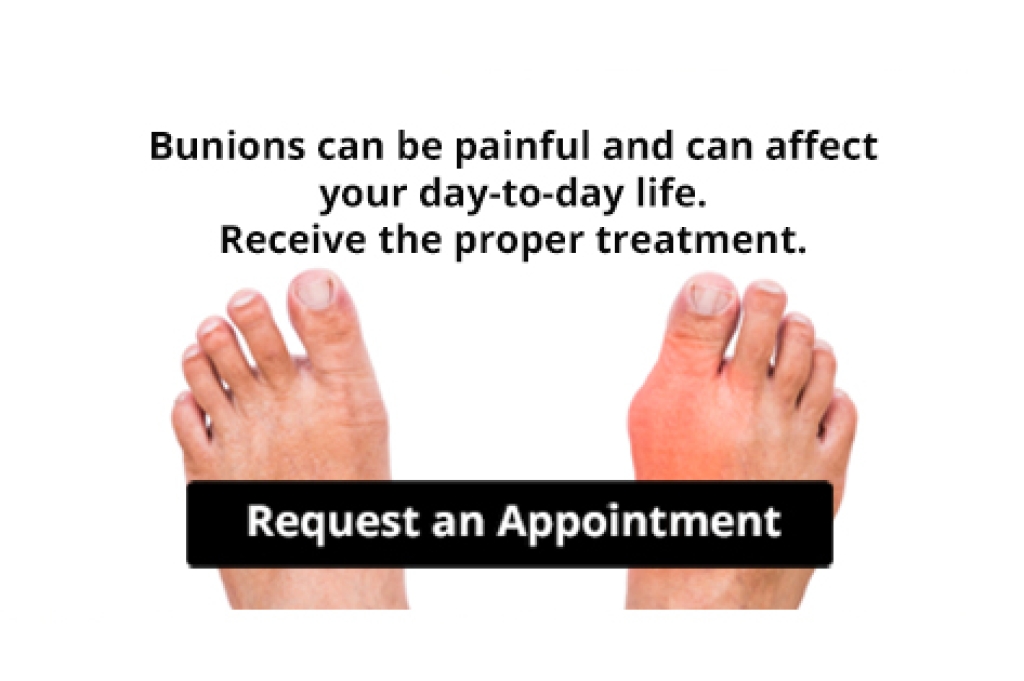
Are Bunions Affecting Your Everyday Life?

Have you noticed a bony protrusion on the side of your big toe? If so, you may have developed the foot condition known as a bunion. Don't let bunions interfere with your daily activities.

Why Sedentary Lifestyles Increase Heel Pain Risk in Older Women

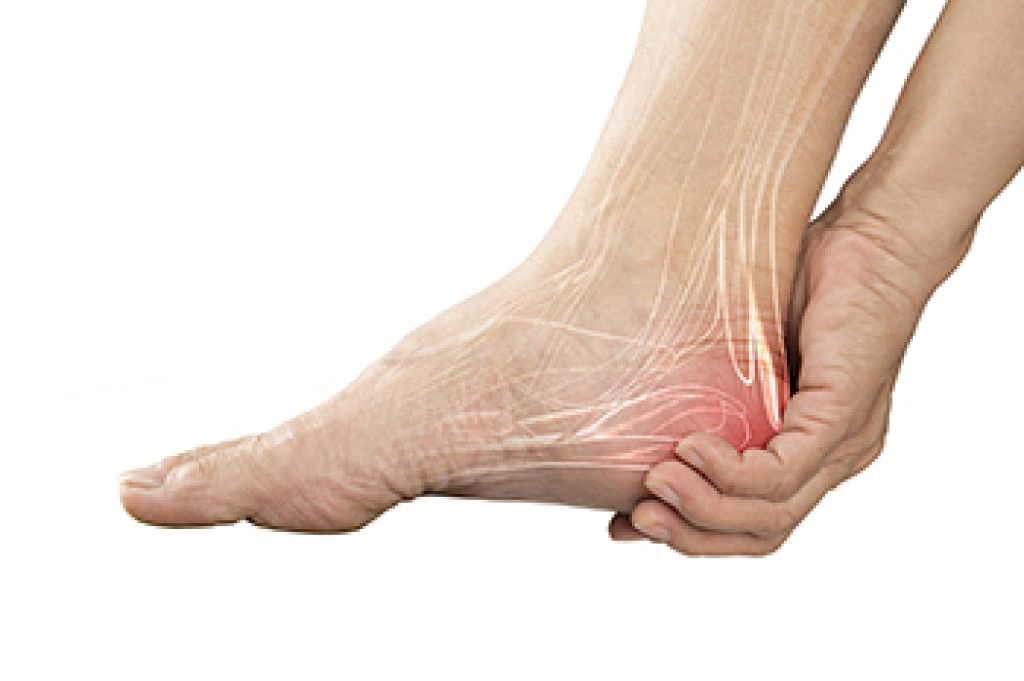
Plantar heel pain is a condition that frequently affects older women and is often associated with lifestyle and physical changes over time. It occurs when the plantar fascia becomes strained or irritated, leading to discomfort in the heel area. Sedentary behaviors play a significant role in the development of this condition by reducing muscle strength and flexibility in the feet. When physical activity is limited, the foot becomes less prepared to handle stress, increasing the risk of injury.

Common symptoms include persistent heel pain, stiffness, and tenderness, particularly after periods of rest. Many individuals report sharp discomfort with their first steps in the morning. As the day progresses, the pain may ease but can return after prolonged standing or walking. These symptoms can interfere with daily routines and make it difficult to stay active. Identifying these patterns can help individuals take early action to address the issue.


Risk factors for plantar heel pain include inactivity, poor footwear, and age-related changes in the foot structure. Sedentary habits can lead to tight muscles and reduced circulation, both of which contribute to strain on the plantar fascia. Additional causes include weight gain and lack of proper arch support. Older women may also experience decreased tissue resilience, making recovery slower and increasing the likelihood of chronic discomfort.


Improving daily movement and foot care can help reduce the risk of plantar heel pain. Incorporating light exercise, stretching, and wearing supportive footwear can strengthen the foot and improve flexibility. Small changes in routine can make a meaningful difference in comfort and mobility. If you are dealing with heel pain or related symptoms, it is suggested that you consult a podiatrist for an accurate diagnosis and appropriate treatment plan.

Many people suffer from bouts of heel pain. For more information, contact one of our podiatrists of Graff Foot, Ankle and Wound Care. Our doctors can provide the care you need to keep you pain-free and on your feet.

Causes of Heel Pain

Heel pain is often associated with plantar fasciitis. The plantar fascia is a band of tissues that extends along the bottom of the foot. A rip or tear in this ligament can cause inflammation of the tissue.

Achilles tendonitis is another cause of heel pain. Inflammation of the Achilles tendon will cause pain from fractures and muscle tearing. Lack of flexibility is also another symptom.

Heel spurs are another cause of pain. When the tissues of the plantar fascia undergo a great deal of stress, it can lead to ligament separation from the heel bone, causing heel spurs.

Why Might Heel Pain Occur?

  • Wearing ill-fitting shoes                
  • Wearing non-supportive shoes
  • Weight change           
  • Excessive running

Treatments

Heel pain should be treated as soon as possible for immediate results. Keeping your feet in a stress-free environment will help. If you suffer from Achilles tendonitis or plantar fasciitis, applying ice will reduce the swelling. Stretching before an exercise like running will help the muscles. Using all these tips will help make heel pain a condition of the past.

If you have any questions, please feel free to contact our offices located in Plano, Dallas, Prosper, Allen, Garland, Frisco, and Coppell, TX . We offer the newest diagnostic and treatment technologies for all your foot care needs.
Read more about Heel Pain

Ball of the Foot Pain Can Signal Morton's Neuroma

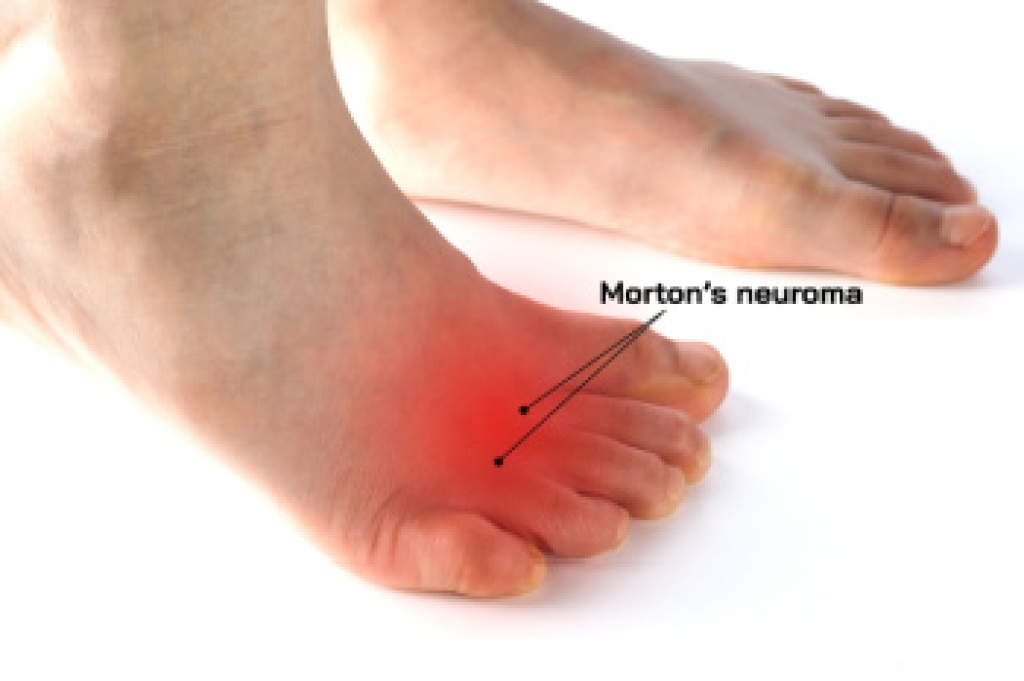
Morton's neuroma develops when scar tissue and nerve endings thicken around a nerve, usually between the third and fourth toes. This painful condition affects the front of the foot and can make every step uncomfortable, especially while walking or wearing tight shoes. Burning pain in the ball of the foot is one of the most common signs. Tingling and numbness in the toes also occur. Many patients describe the feeling as if they are standing on a small pebble or a folded sock inside the shoe. Symptoms usually become worse when wearing tight shoes or shoes that lack proper support. The discomfort can gradually make walking, exercising, and even standing for long periods of time more difficult.

Several factors increase the risk of developing Morton's neuroma. Repeated pressure on the front of the foot is one of the leading causes. Shoes with a narrow toe box can squeeze the nerves between the toes. High-heeled shoes also increase pressure on the ball of the foot. Foot problems like bunions or flat feet can change the way weight is distributed across the foot. Sports or activities that involve repeated pushing off the toes can also contribute to irritation. 

A podiatrist can perform a careful examination of the foot and review your symptoms. Imaging tests may be ordered to help confirm the diagnosis or rule out other foot conditions. The podiatrist then creates a treatment plan based on the cause and severity of your symptoms. Professional care includes custom orthotics to reduce pressure on the affected nerve. Padding and shoe recommendations can improve comfort while walking. In some cases, injections help reduce inflammation surrounding the irritated nerve. When symptoms continue despite other treatments, surgery can remove the painful nerve or relieve pressure around it. If you have symptoms of Morton's neuroma, it is suggested that you schedule an appointment with a podiatrist for a diagnosis and appropriate treatment.

Morton’s neuroma is a very uncomfortable condition to live with. If you think you have Morton’s neuroma, contact one of our podiatrists of Graff Foot, Ankle and Wound Care. Our doctors will attend to all of your foot care needs and answer any of your related questions.  

Morton’s Neuroma

Morton's neuroma is a painful foot condition that commonly affects the areas between the second and third or third and fourth toe, although other areas of the foot are also susceptible. Morton’s neuroma is caused by an inflamed nerve in the foot that is being squeezed and aggravated by surrounding bones.

What Increases the Chances of Having Morton’s Neuroma?

  • Ill-fitting high heels or shoes that add pressure to the toe or foot
  • Jogging, running or any sport that involves constant impact to the foot
  • Flat feet, bunions, and any other foot deformities

Morton’s neuroma is a very treatable condition. Orthotics and shoe inserts can often be used to alleviate the pain on the forefront of the feet. In more severe cases, corticosteroids can also be prescribed. In order to figure out the best treatment for your neuroma, it’s recommended to seek the care of a podiatrist who can diagnose your condition and provide different treatment options.

If you have any questions, please feel free to contact our offices located in Plano, Dallas, Prosper, Allen, Garland, Frisco, and Coppell, TX . We offer the newest diagnostic and treatment technologies for all your foot care needs.

Read more about Morton's Neuroma
Urgent Care
Weekdays 6pm–11pm
Weekends 9am–11pm
Advanced Podiatric Procedures & Services in the Collin County, TX: Plano, McKinney, Allen, Frisco, Prosper, Celina, Wylie, Lucas, Fairview, Princeton, Anna, Melissa, Dallas County, TX: Dallas, Garland, Coppell, Richardson, Addison, Farmers Branch, Carrollton, University Park, Highland Park, Denton County, TX: Little Elm, The Colony, Lewisville, Corinth, Flower Mound, Rockwall County, TX: Rockwall, Heath, Fate areas