
Like us on facebook
Follow us on twitter
review us on google

When Foot and Ankle Swelling Leaves Dents

Pitting edema is a type of swelling in the ankles or feet where pressing on the skin leaves a temporary indentation. This happens when extra fluid collects in the tissues. It may be linked to circulation problems, vein conditions, heart or kidney concerns, certain medications, or other medical issues. Some people notice tight shoes or swelling that worsens as the day goes on. Diagnosis starts with a physical examination, where a provider checks the amount of swelling and how long the indentation remains after pressure is applied. A podiatrist may also review medical history, symptoms, circulation, and skin changes, and may recommend additional testing when needed to help identify the cause. Because swelling can signal an underlying health concern, proper evaluation matters. If you have ongoing swelling in your feet or ankles, especially with discomfort or skin changes, it is strongly suggested that you visit a podiatrist for appropriate treatment solutions.

Swollen feet can be a sign of an underlying condition. If you have any concerns, contact one of our podiatrists of Graff Foot, Ankle and Wound Care. Our doctors can provide the care you need to keep you pain-free and on your feet.

Swollen feet are a common ailment among pregnant women and people who stand or sit for extended periods. Aging may increase the possibility of swollen feet and patients who are obese often notice when their feet are swelling too. There may be medical reasons why swollen feet occur:

  • Phlebitis - A condition that causes the veins to become inflamed and can also cause leg pain.
  • Liver disease - This may lead to low blood levels of albumin which is a protein. This can cause fluid in the blood to pass into the tissues and several areas of the body can become swollen.
  • Heart failure - When the heart doesn’t pump properly the blood that is normally pumped back to the heart can pool in the veins of the legs causing swollen feet.
  • Kidney disease - One of the main functions of the kidneys is releasing excess fluid in the body. This type of condition can make it difficult for the kidneys to function properly, and as a result the feet may become swollen.
  • Deep-vein thrombosis (DVT)- This is a serious condition where blood clots form in the veins of the legs. They can block the return of blood from the legs to the heart which may cause the feet to swell. It is important to be treated by a podiatrist if this condition is present.

Swollen feet can also be caused by bone and tendon conditions, including fractures, arthritis, and tendinitis. Additionally, there may be skin and toenail conditions and an infection may cause the feet to swell. Patients who take medicine to treat high blood pressure may be prone to getting swollen feet. 

Many patients elevate their feet to help relieve the swelling and this is generally a temporary remedy. When a podiatrist is consulted the reason behind the swelling can be uncovered and subsequently treated.

If you have any questions please contact our offices located in Plano, Dallas, Prosper, Allen, Garland, Frisco, and Coppell, TX . We offer the newest diagnostic and treatment technologies for all your foot and ankle needs.

Read more about Swelling of the Feet

Flat Feet in Growing Children

Flat feet in children occur when the arch of the foot does not fully develop, causing the entire sole to touch the ground. This is common in early childhood, and many children naturally outgrow flat feet by the time they are 6, as the arch forms. However, some children continue to have flat feet and may experience foot pain, fatigue, or sores along the inner side of the foot. Limited movement or changes in walking patterns may also appear over time. The condition can develop due to ligament laxity or inherited foot structure. A podiatrist can assess foot development, monitor changes, and determine if treatment is needed to support proper alignment and prevent future discomfort. If your child has pain from flat feet, it is suggested that you consult a podiatrist who can guide you toward effective relief and management tips.

Making sure that your children maintain good foot health is very important as they grow. If you have any questions, contact one of our podiatrists of Graff Foot, Ankle and Wound Care. Our doctors can provide the care you need to keep you pain-free and on your feet.

Keeping Children's Feet Healthy

Having healthy feet during childhood can help prevent medical problems later in life, namely in the back and legs. As children grow, their feet require different types of care. Here are some things to consider...

Although babies do not walk yet, it is still very important to take care of their feet.

Avoid putting tight shoes or socks on his or her feet.

Allow the baby to stretch and kick his or her feet to feel comfortable.

As a toddler, kids are now on the move and begin to develop differently. At this age, toddlers are getting a feel for walking, so don’t be alarmed if your toddler is unsteady or ‘walks funny’. 

As your child gets older, it is important to teach them how to take care of their feet.

Show them proper hygiene to prevent infections such as fungus.

Be watchful for any pain or injury.

Have all injuries checked by a doctor as soon as possible.

Comfortable, protective shoes should always be worn, especially at play.

If you have any questions, please feel free to contact our offices located in Plano, Dallas, Prosper, Allen, Garland, Frisco, and Coppell, TX . We offer the newest diagnostic and treatment technologies for all your foot care needs.
Read more about What to Do to Keep Your Child’s Feet Healthy

Foot and Ankle Pain Caused by Arthritis

Arthritis in the feet and ankles can develop when the joints become inflamed or the protective cartilage wears down, over time. This often leads to pain and stiffness with movement. It can affect one joint or several areas at once, including the toes, arch, heel, or ankle. Patients notice aching pain, swelling, tenderness, or reduced flexibility that may worsen after walking or standing for long periods of time. Some joints may appear enlarged or feel warm. In advanced cases, the shape of the foot can gradually change. Osteoarthritis, rheumatoid arthritis, and gout are among the most common forms of arthritis that affect the lower extremities. Previous injuries, aging, excess pressure on the joints, and autoimmune disease can all contribute to the condition. A podiatrist can examine the affected joints, evaluate foot mechanics, and recommend treatment to reduce pain and improve mobility. Care may include wearing supportive footwear, targeted exercises, medication, or other therapies designed to protect the joints. If you have foot or ankle pain caused by arthritis, it is suggested that you schedule an appointment with a podiatrist for effective relief and management tips.

Foot Pain

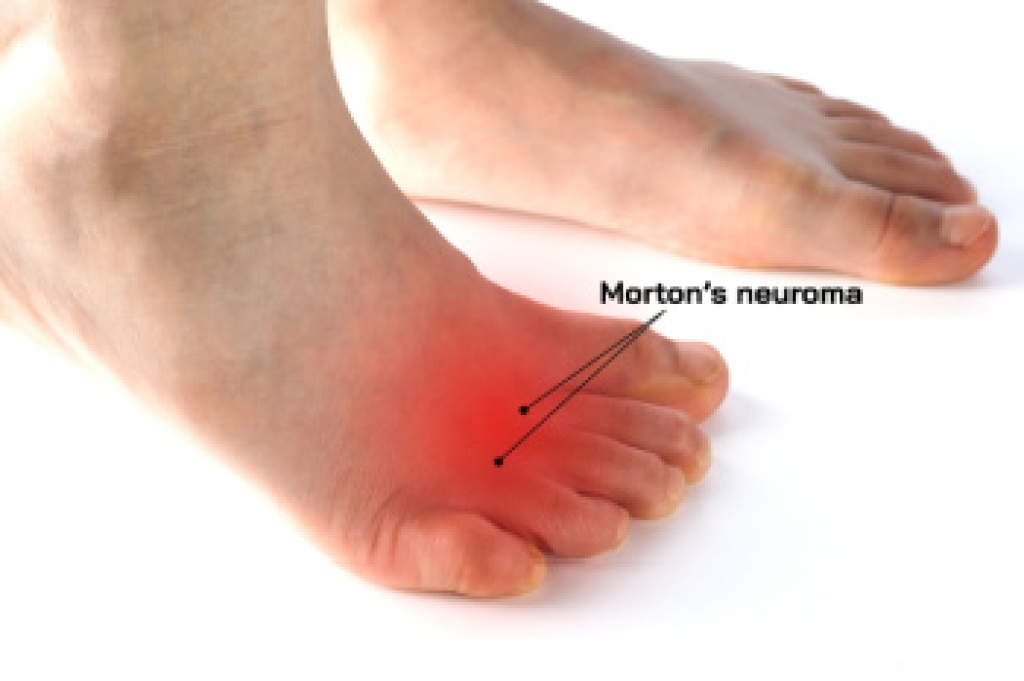
Foot pain can be extremely painful and debilitating. If you have a foot pain, consult with one of our podiatrists from Graff Foot, Ankle and Wound Care. Our doctors will assess your condition and provide you with quality foot and ankle treatment.

Causes

Foot pain is a very broad condition that could be caused by one or more ailments. The most common include:

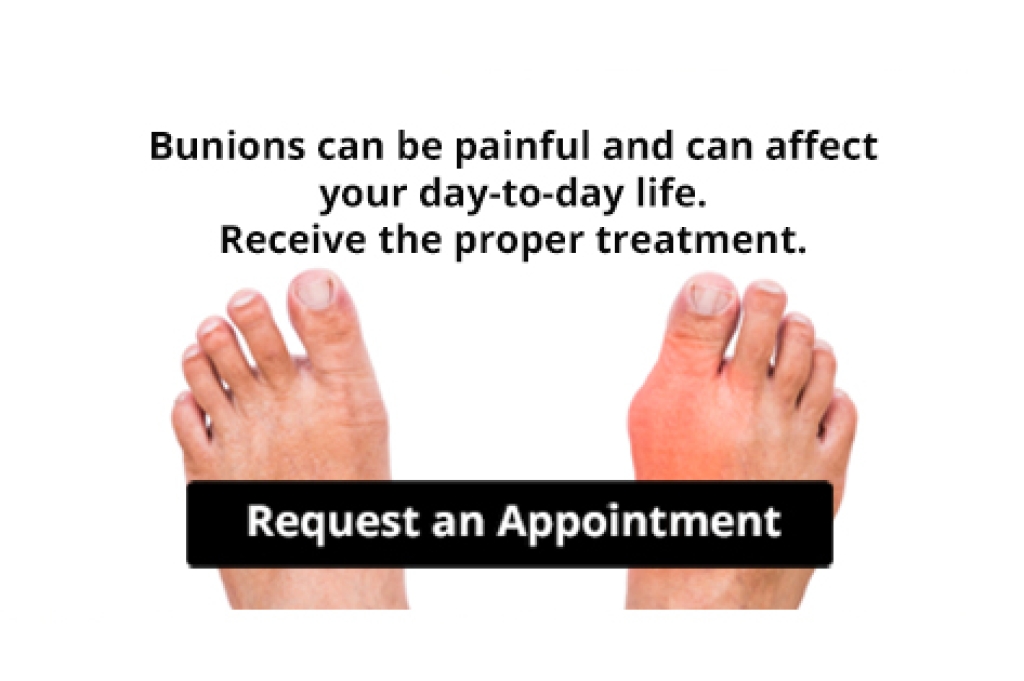
  • Bunions
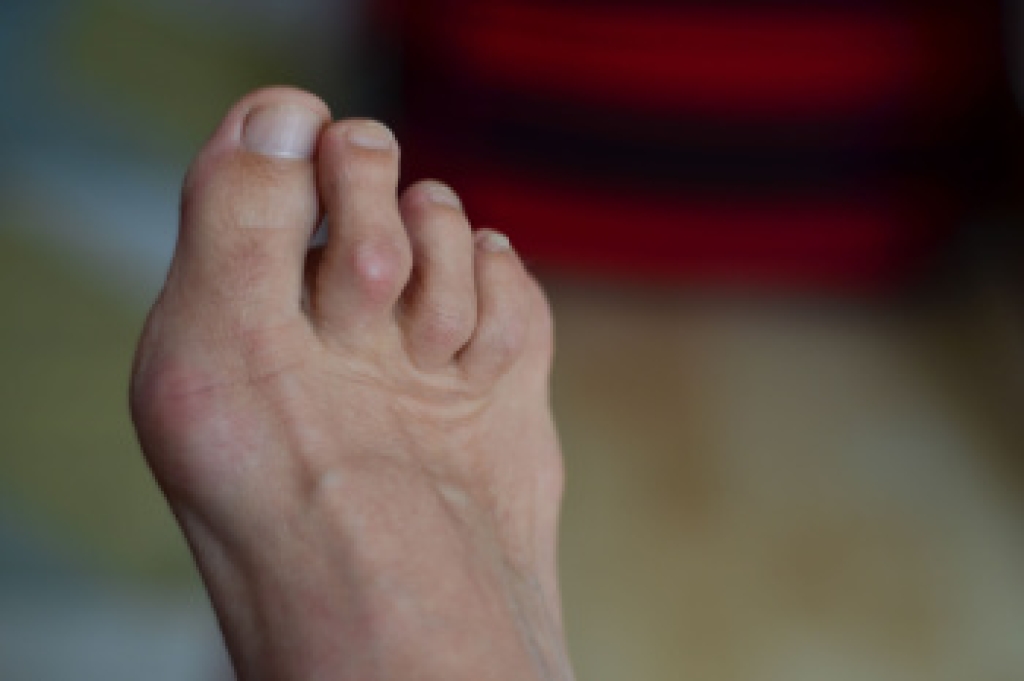
  • Hammertoes
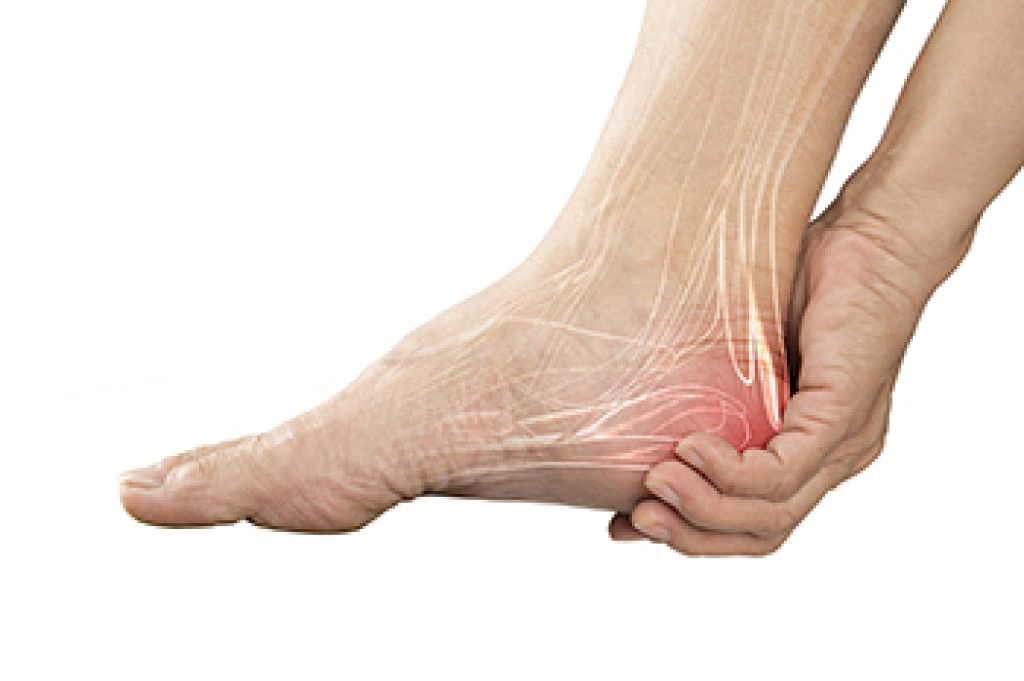
  • Plantar Fasciitis
  • Bone Spurs
  • Corns
  • Tarsal Tunnel Syndrome
  • Ingrown Toenails
  • Arthritis (such as Gout, Rheumatoid, and Osteoarthritis)
  • Flat Feet
  • Injury (from stress fractures, broken toe, foot, ankle, Achilles tendon ruptures, and sprains)
  • And more

Diagnosis

To figure out the cause of foot pain, podiatrists utilize several different methods. This can range from simple visual inspections and sensation tests to X-rays and MRI scans. Prior medical history, family medical history, and any recent physical traumatic events will all be taken into consideration for a proper diagnosis.

Treatment

Treatment depends upon the cause of the foot pain. Whether it is resting, staying off the foot, or having surgery; podiatrists have a number of treatment options available for foot pain.

If you have any questions, please feel free to contact our offices located in Plano, Dallas, Prosper, Allen, Garland, Frisco, and Coppell, TX . We offer the newest diagnostic and treatment technologies for all your foot care needs.
Read more about Foot Pain

Let the Expert Treat Your Ingrown Toenails

Ingrown toenails can be painful and can make wearing shoes or walking uncomfortable. Seek professional help if you believe you've developed an ingrown toenail and be treated safely. 

Cuboid Syndrome and Lateral Foot Pain

Cuboid syndrome is a condition involving the cuboid bone in the foot, where it becomes misaligned or irritated, leading to discomfort and impaired movement. There is often pain on the outer side of the foot, especially during walking or standing, and it may be weak or difficult to bear weight. Causes can include falls, sudden missteps, or repetitive strain, while flat feet may increase stress on the area. Risk factors include athletic activity, wearing improper footwear, and previous foot injuries. A podiatrist can evaluate the condition, provide manual treatment, recommend supportive devices, and guide rehabilitation. If you have pain in this area of your foot, it is suggested that you consult a podiatrist who can accurately diagnose and treat what may be going on.

Cuboid syndrome, also known as cuboid subluxation, occurs when the joints and ligaments near the cuboid bone in the foot become torn. If you have cuboid syndrome, consult with one of our podiatrists from Graff Foot, Ankle and Wound Care. Our doctors will assess your condition and provide you with quality foot and ankle treatment.

Cuboid syndrome is a common cause of lateral foot pain, which is pain on the outside of the foot. The condition may happen suddenly due to an ankle sprain, or it may develop slowly overtime from repetitive tension through the bone and surrounding structures.

Causes

The most common causes of cuboid syndrome include:

  • Injury – The most common cause of this ailment is an ankle sprain.
  • Repetitive Strain – Tension placed through the peroneus longus muscle from repetitive activities such as jumping and running may cause excessive traction on the bone causing it to sublux.
  • Altered Foot Biomechanics – Most people suffering from cuboid subluxation have flat feet.

Symptoms

A common symptom of cuboid syndrome is pain along the outside of the foot which can be felt in the ankle and toes. This pain may create walking difficulties and may cause those with the condition to walk with a limp.

Diagnosis

Diagnosis of cuboid syndrome is often difficult, and it is often misdiagnosed. X-rays, MRIs and CT scans often fail to properly show the cuboid subluxation. Although there isn’t a specific test used to diagnose cuboid syndrome, your podiatrist will usually check if pain is felt while pressing firmly on the cuboid bone of your foot.

Treatment

Just as the range of causes varies widely, so do treatments. Some more common treatments are ice therapy, rest, exercise, taping, and orthotics.

If you have any questions, please feel free to contact our offices located in Plano, Dallas, Prosper, Allen, Garland, Frisco, and Coppell, TX . We offer the newest diagnostic and treatment technologies for all your foot care needs.
Read more about Cuboid Syndrome
Advanced Podiatric Procedures & Services in the Collin County, TX: Plano, McKinney, Allen, Frisco, Prosper, Celina, Wylie, Lucas, Fairview, Princeton, Anna, Melissa, Dallas County, TX: Dallas, Garland, Coppell, Richardson, Addison, Farmers Branch, Carrollton, University Park, Highland Park, Denton County, TX: Little Elm, The Colony, Lewisville, Corinth, Flower Mound, Rockwall County, TX: Rockwall, Heath, Fate areas