


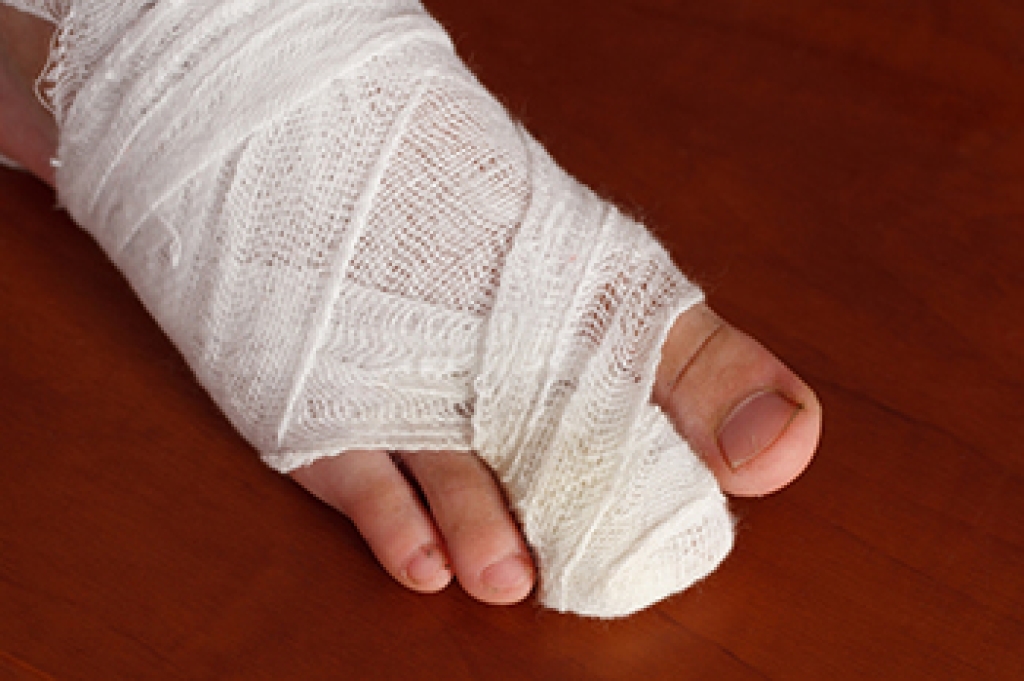
A sharp impact against furniture or a heavy object landing on the foot can break a toe bone. Sports collisions also cause these injuries. A broken toe, also called a fracture, ranges from a small crack to a break that pushes the bone out of position. Pain usually begins soon after the injury. Swelling and bruising frequently follow, and wearing shoes becomes uncomfortable. Some people limp or struggle to push off the ground while walking. A toe that looks straight might still be broken. Being able to move it or take a few steps does not rule out a fracture.
A podiatrist examines the injured toe and asks how the injury happened. The examination includes checking skin damage, bone alignment, and tenderness. The podiatrist also assesses circulation and sensation to identify problems that require urgent attention. X-rays help show the location of a break and whether the bone has shifted. They also reveal whether a fracture reaches a joint. Big toe injuries require particular attention because this toe helps support body weight and maintains balance. A podiatrist evaluates injuries in children carefully because some breaks affect the areas where bones grow. An accurate diagnosis guides treatment and helps prevent lasting problems.
Treatment depends on which toe is broken and how the bones line up. For a stable break in a smaller toe, a podiatrist might apply protective padding and tape it to a neighboring toe. This supports the injured bone while it heals. A stiff-soled medical shoe or walking boot limits movement and reduces pressure. When a bone shifts, the podiatrist might perform a procedure to restore its position. Severe breaks sometimes require surgery to secure the bone. Follow-up visits allow the podiatrist to assess healing and adjust protection. The doctor also provides guidance about safe weight-bearing and returning to regular activities.
Many uncomplicated broken toes heal within four to six weeks, although discomfort and swelling sometimes last longer. More serious injuries require additional healing time. Returning to sports before the bone heals raises the risk of another injury. Persistent pain warrants reassessment because poor alignment or joint damage may affect movement. A crooked toe, an open wound, or severe pain requires prompt medical evaluation. Numbness or a cold, pale toe requires immediate medical attention. People with diabetes should seek prompt care after a toe injury to avoid complications. If you have broken your toe, it is suggested that you schedule an appointment with a podiatrist for effective relief and treatment techniques.
A broken toe can be very painful and lead to complications if not properly fixed. If you have any concerns about your feet, contact one of our podiatrists from Graff Foot, Ankle and Wound Care. Our doctors will treat your foot and ankle needs.
What to Know About a Broken Toe
Although most people try to avoid foot trauma such as banging, stubbing, or dropping heavy objects on their feet, the unfortunate fact is that it is a common occurrence. Given the fact that toes are positioned in front of the feet, they typically sustain the brunt of such trauma. When trauma occurs to a toe, the result can be a painful break (fracture).
Symptoms of a Broken Toe
- Throbbing pain
- Swelling
- Bruising on the skin and toenail
- The inability to move the toe
- Toe appears crooked or disfigured
- Tingling or numbness in the toe
Generally, it is best to stay off of the injured toe with the affected foot elevated.
Severe toe fractures may be treated with a splint, cast, and in some cases, minor surgery. Due to its position and the pressure it endures with daily activity, future complications can occur if the big toe is not properly treated.
If you have any questions, please feel free to contact our offices located in Plano, Dallas, Prosper, Allen, Garland, Frisco, and Coppell, TX . We offer the newest diagnostic and treatment technologies for all your foot care needs.
